
According to market research, the hair extensions market is estimated to reach $4.43 billion by 2032. Well, that’s not a surprise at all. Hair trends move fast, and 2026 has been a big year for change.
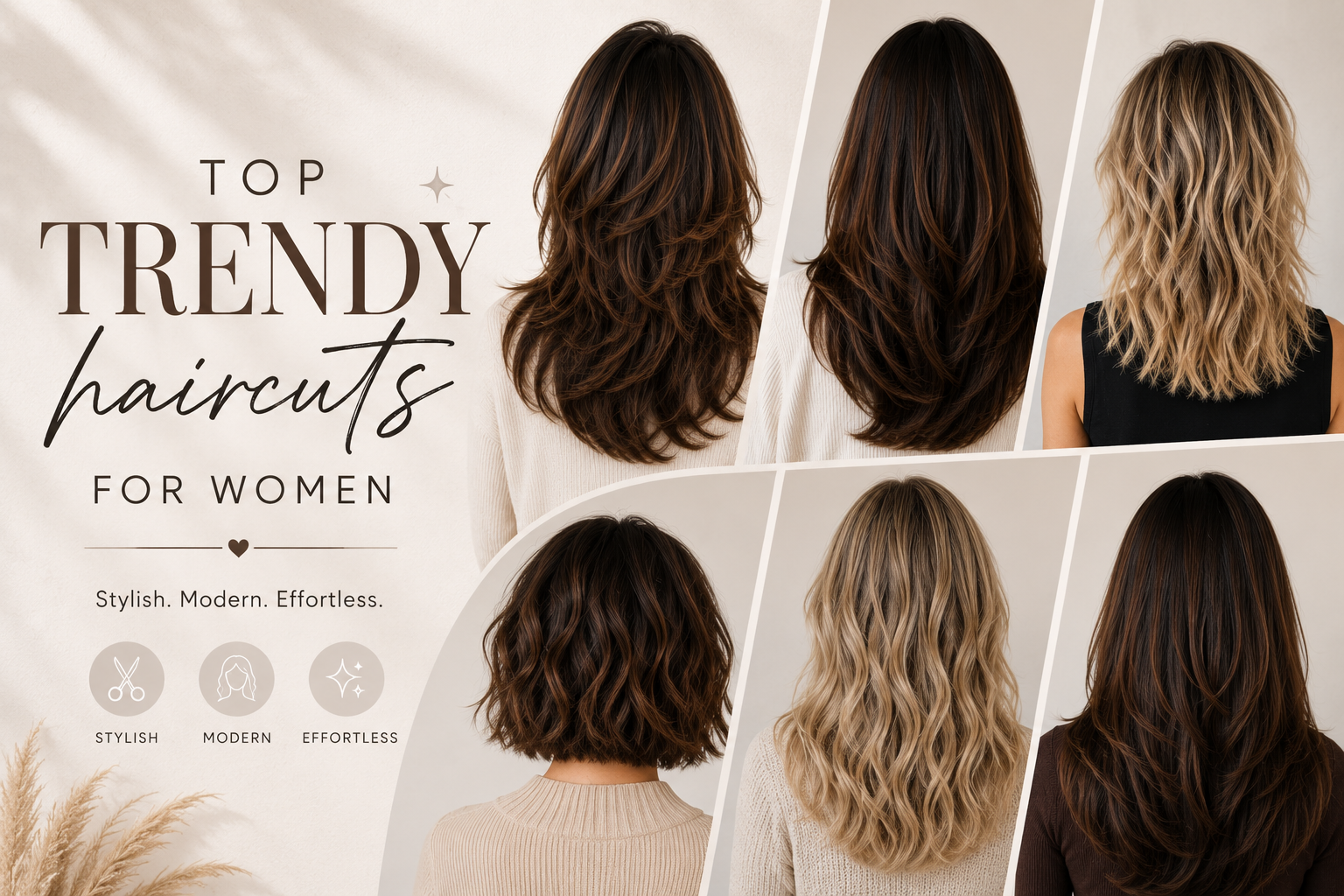
The lob, the bixie, modern shag cuts, curtain bangs, and long, layered looks are all having a moment right now.
What ties most of these styles together is length and fullness, and that is exactly where hair extensions come in. Before you book a set, here is what you actually need to know.
Pros and Cons
Pros
-
Instant transformation: Walk in with shoulder-length hair and walk out with the long, layered look you have been saving to your Pinterest board, all in one appointment
-
Real volume, not just length: If your hair has thinned with age, styling, or simply your natural texture, extensions fill in the gaps and bring back body that products alone cannot fake
-
Room to experiment: Try balayage, curtain bangs, or a fuller shag without touching your natural strands with bleach or heavy heat styling
-
Built for the big moments: Weddings, bachelorette weekends on Broadway, or a night out downtown all call for options your regular length cannot offer on short notice
-
Less daily heat styling: A good set holds curls and waves on its own, which means less wear and tear on your natural hair
Cons
-
Real maintenance: Depending on the method, you will need specific shampoos, careful brushing, and regular check-ins at the salon
-
A real investment: Quality extensions and professional installation cost more upfront, though payment plans can help spread that cost, and cutting corners on either often leads to visible bonds or damage that costs more to fix later
-
Time at the salon: Installation can range from an hour for simple methods to several hours for keratin or fusion techniques
-
A short adjustment period: A bit of tightness or sensitivity at the scalp is normal in the days after application, especially with bonded or micro-link methods
-
Not one-size-fits-all: The wrong method for your hair type can shorten the lifespan of your extensions or make them feel uncomfortable to wear
Tips to Find the Best Hair Extension That Suits You
Know Your Hair Type and Density
Fine or thin hair usually does better with lighter methods like tape-ins or microbeads, since they place less tension on individual strands. Thicker, coarser hair can often handle keratin fusion or sew-ins without any trouble. Knowing where your hair naturally falls helps rule out options before you even sit down in the chair.
Think About Your Lifestyle
If you are someone who wants to switch styles on a whim, or you simply are not ready for a long-term commitment, clip-ins give you that freedom. If you would rather install once and not think about it for weeks, tape-ins or fusion methods make more sense. Be honest about how much daily upkeep you actually want to do.
Match It to the Look You Want
A subtle boost in volume calls for a different approach than dramatic length. If you are chasing one of this year's trends, like a fuller shag or a longer lob, tell your stylist that specific goal. The method, the placement, and even the number of wefts used will change depending on the finished look you are after.
Set a Realistic Budget
Extensions are an investment, both at installation and during upkeep. Decide upfront what you are comfortable spending, including maintenance appointments, and let that guide the method your stylist recommends.
Our payment plan options can also make it easier to spread the cost. A lower-cost option installed well often outperforms an expensive one installed poorly.
Book a Real Consultation
The most reliable way to choose is still a conversation with a professional. A good consultation looks at your natural hair density, your scalp health, and your daily routine before recommending anything. Book a consultation before you commit to a method, since skipping this step is the most common reason extensions do not work out.